

The Rungis International Market is the “belly of the Ile-de-France region.” It is the most populous of France’s 18 regions. It was created as the “District of the Paris Region” in 1961 and renamed after the historic province of Île-de-France in 1972 (English: ‘Island of France’). The region comprises eight administrative departments, including Paris.1
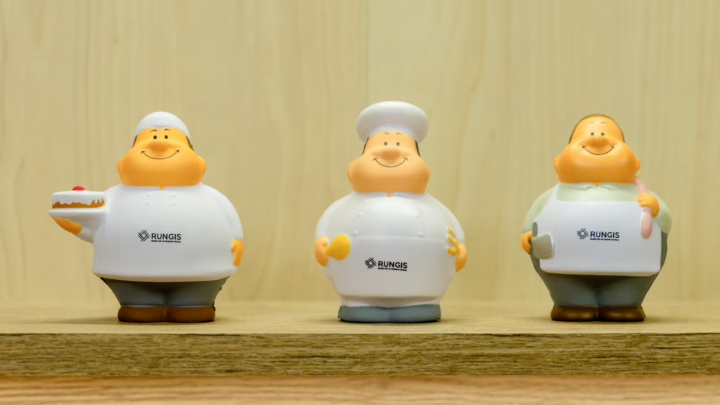
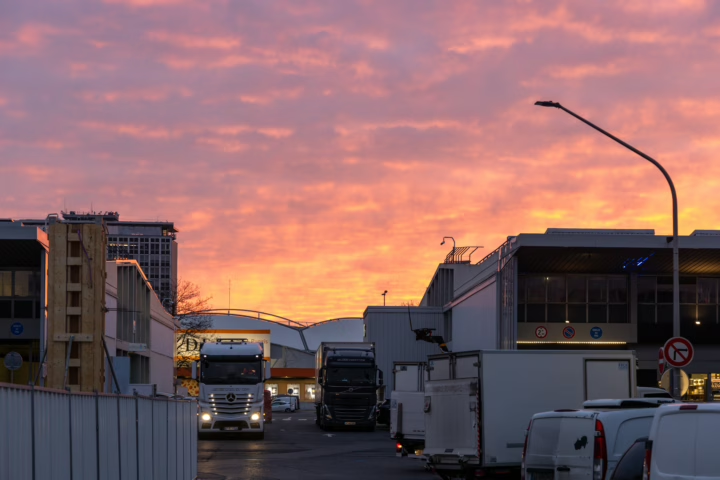
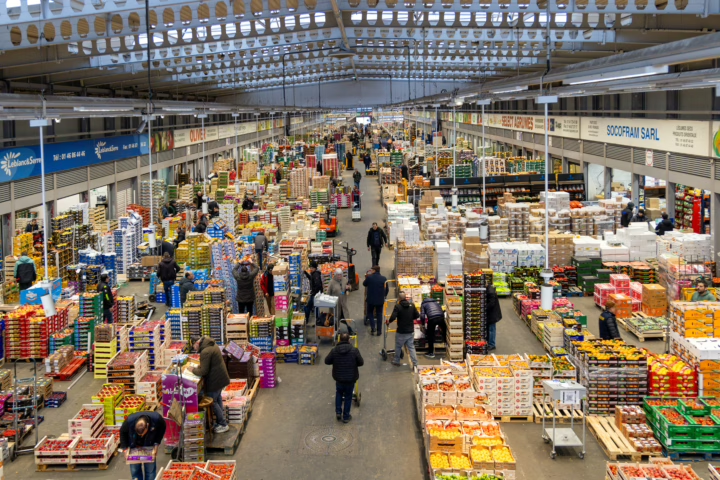
Rungis Market, situated adjacent to Orly Airport south of Paris, is the largest fresh food market in Europe. It operates as a wholesale business-to-business market, requiring professional membership for both buyers and sellers. At the time of this post, Rungis covers 232 hectares, accommodates over 1,200 companies, and employs nearly 13,000 individuals. The market provides stringent guarantees regarding food hygiene, traceability, and regulatory compliance, although some argue this comes at the expense of production quality.2
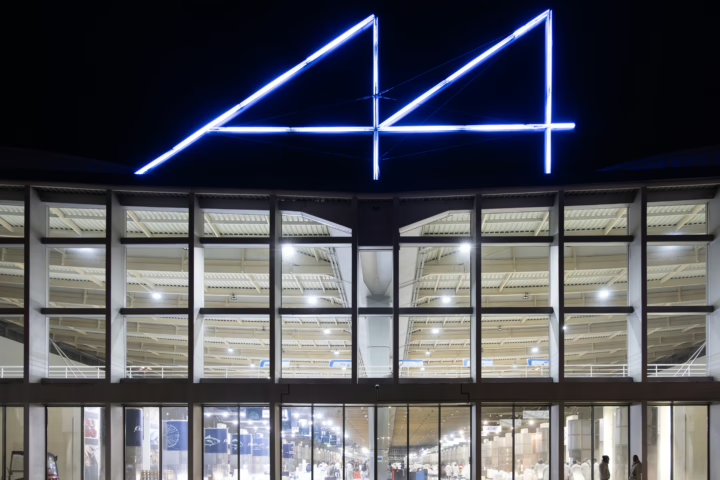
Rungis Market is a large market comprising submarkets: seafood and freshwater products; dairy products; fruits and vegetables; gastronomy and organic pavilion; butcher shop; pork, offal, poultry, and game; cut flowers, potted plants, and nursery growers; and accessories and decoration. Market openings are staggered to accommodate trucking logistics, which involves planning and coordinating freight transportation to maximize efficiency across the market’s supply chain.
Today, my wife and I went to the Rungis International Market on a field trip with FERRANDI Paris. We met at 3:00 AM and took a bus with the other international business students to get there. Rungis is a wholesale market, so only professional sellers or buyers are allowed to enter. However, you can find different tour options online if you want to visit.
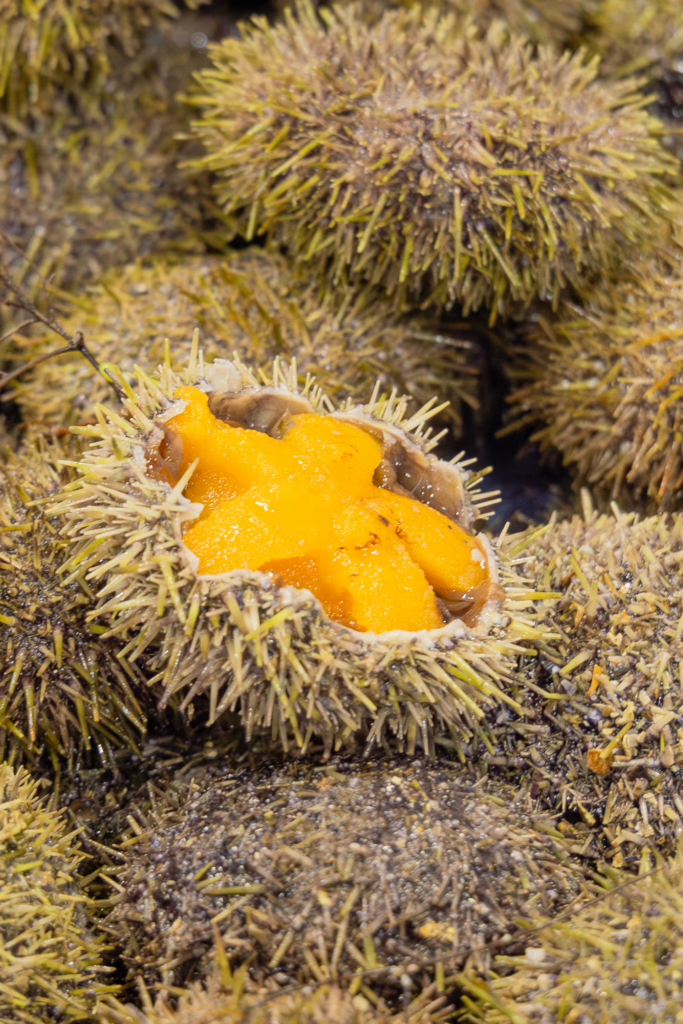
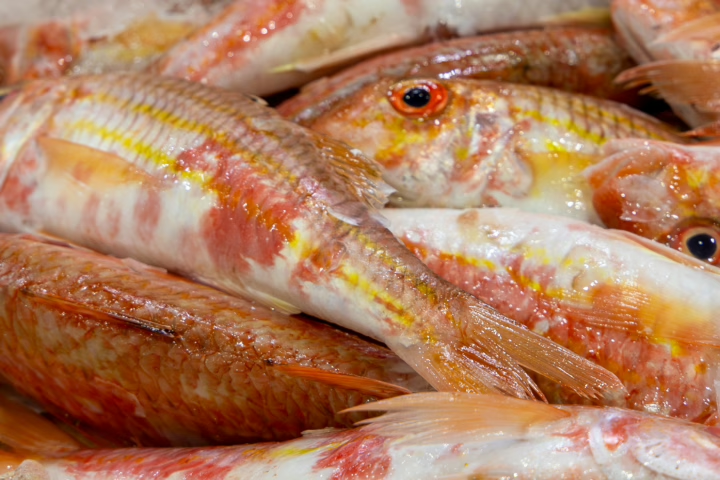
We started at the fish pavilion. When we got there, the vendors were finishing up their sales, counting their stock, and preparing to close. Still, we walked through, got a feel for the market, and saw many kinds of fish and shellfish.
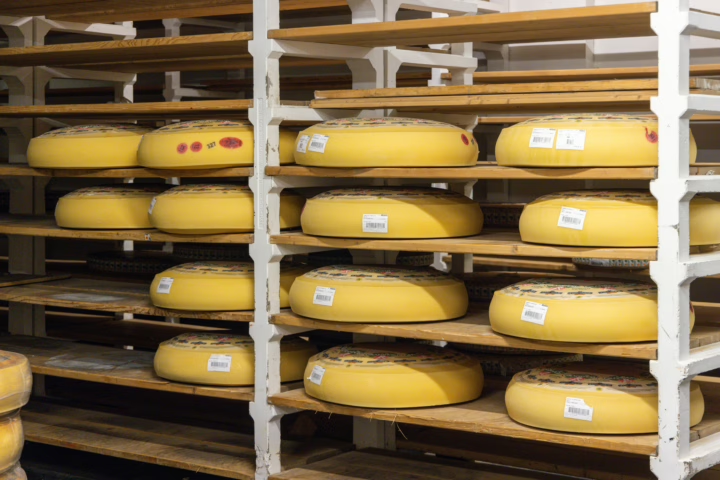
After that, we went to the pavilion for dairy, poultry products, and gastronomy.
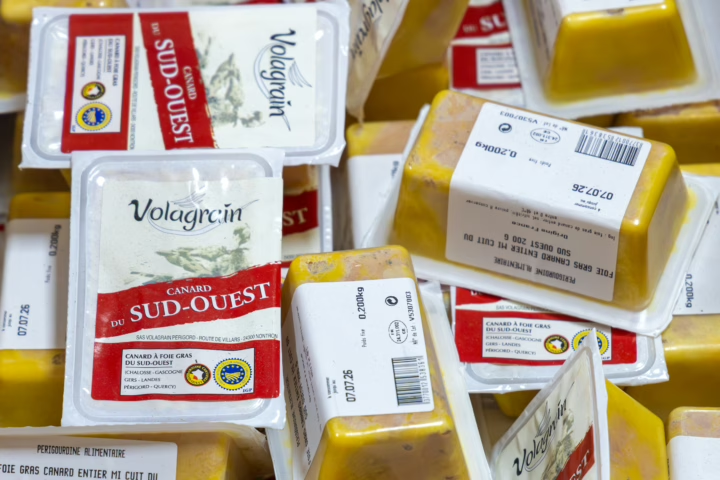
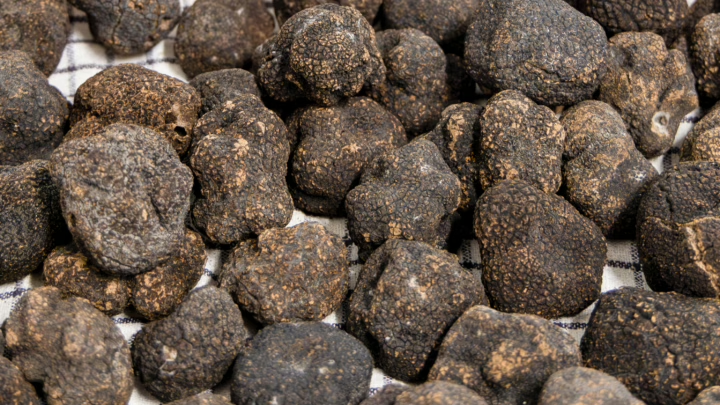
Next, we visited the butcher shop, which included pork, offal, poultry, and game.
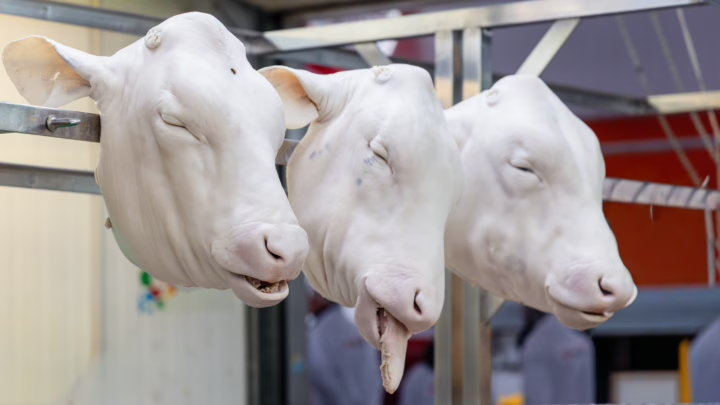
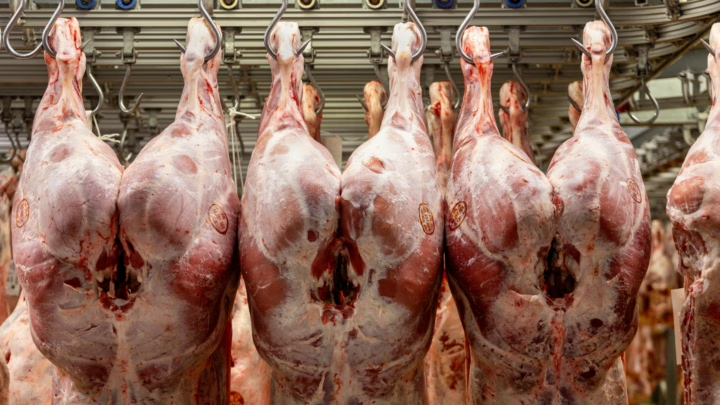
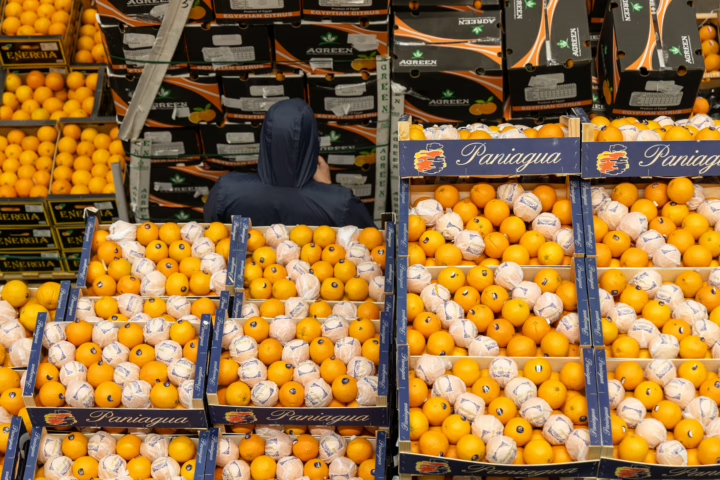
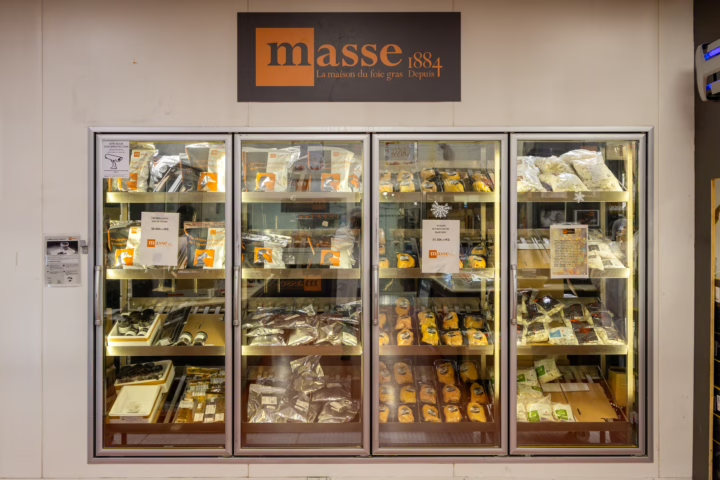
Then we went to the fruit and vegetable market, the largest section of the Rungis market. Our guide also took us to visit Masse House.
Masse House has focused on raw foie gras and truffles since 1884, selling only to chefs worldwide. They have locations in four regions of France and now also offer a variety of Spanish products, such as Ibérico Bellota ham and cecina.
At the end of our tour, the school hosted a breakfast for us before we returned to Paris.
- Wikipedia. Île-de-France. https://en.wikipedia.org/wiki/%C3%8Ele-de-France#. Retrieved 2026-03-29. ↩︎
- Rungis Market: Rungis International. https://www.rungisinternational.com/. Retrieved 2026-0-3-29 ↩︎